Pigmentation & Melasma Removal
LEARN MORE ABOUT
Not all dark spots or moles are just pigmentation.
In rare cases, a changing or unusual spot can be melanoma, a serious skin cancer that needs early attention.
Many people assume melanoma only affects very fair skin.
In reality, it can occur in Indian skin too, often on areas like the face, soles, nails, or existing moles.
Pigmentation usually develops slowly and evenly.
A spot that changes in size, shape, colour, or starts itching or bleeding should always be checked.
Early evaluation makes a big difference.
Most pigmentation is harmless, but it’s important to know the difference, not guess.
What You Should Know
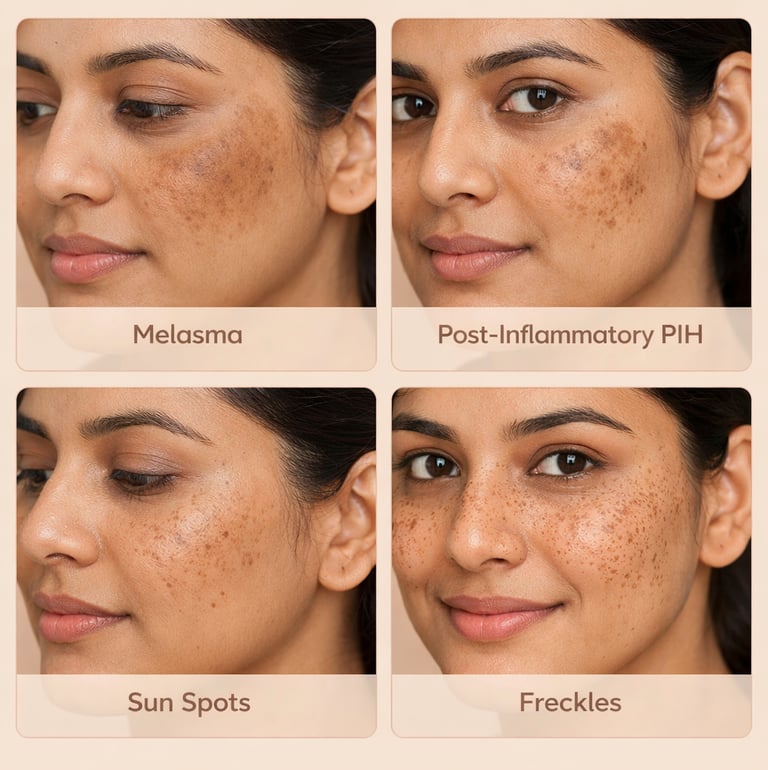
Pigmentation: What It Is and Its Common Types
Pigmentation happens when extra melanin (skin colour pigment) gets produced in certain areas of the skin.
Not all pigmentation is the same, and treatment depends on the type and depth, not just how dark it looks.
How It Is Treated
Pigmentation treatment is not one-size-fits-all.
The right treatment depends on the type of pigmentation, how deep it is, and what triggered it.
Post-Inflammatory Pigmentation (PIH)
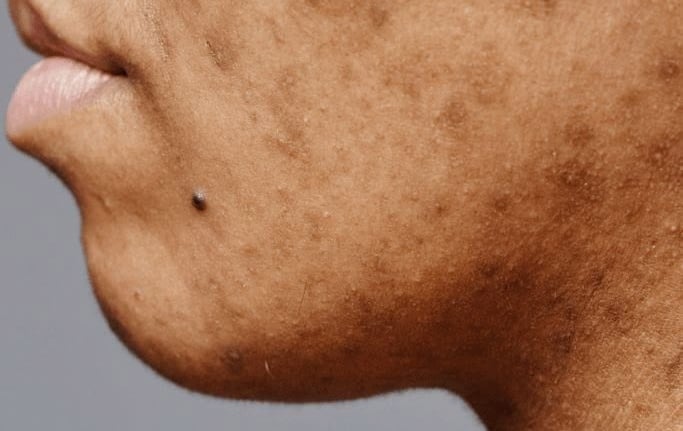
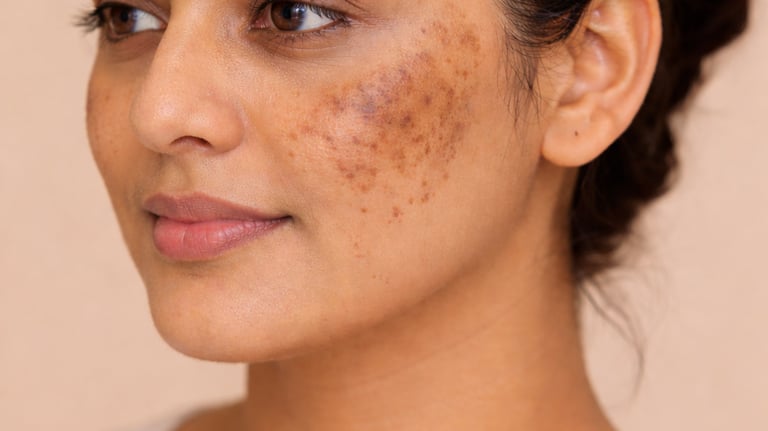
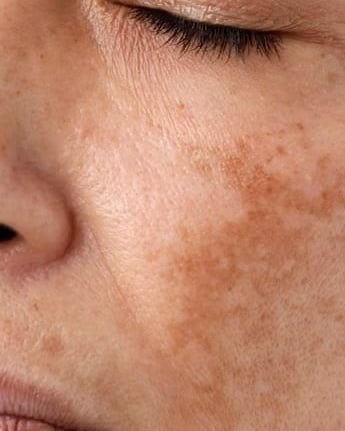
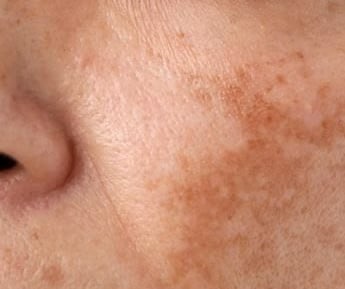
This type usually fades with the right guidance.
Treatment may include:
Pigment-correcting creams
Acne or trigger control (very important)
Gentle peels when skin is stable
Sunscreen to prevent darkening
PIH improves well if treated early and correctly.
Melasma
Freckles
Melasma is usually deeper and hormone-linked, so it needs a long-term control plan.
Common treatments include:
Medical creams to control pigment production
Strict sun protection (this is non-negotiable)
Chemical peels in selected cases
Oral medication if advised
Lasers are used very cautiously and only in specific cases.
Freckles are mostly genetic and sun-responsive.
Treatment focuses on:
Sun protection to prevent darkening
Lightening treatments if cosmetically needed
Maintenance rather than permanent removal
Freckles can lighten, but they often return with sun exposure.